🧗 aristolochia salvadorensis
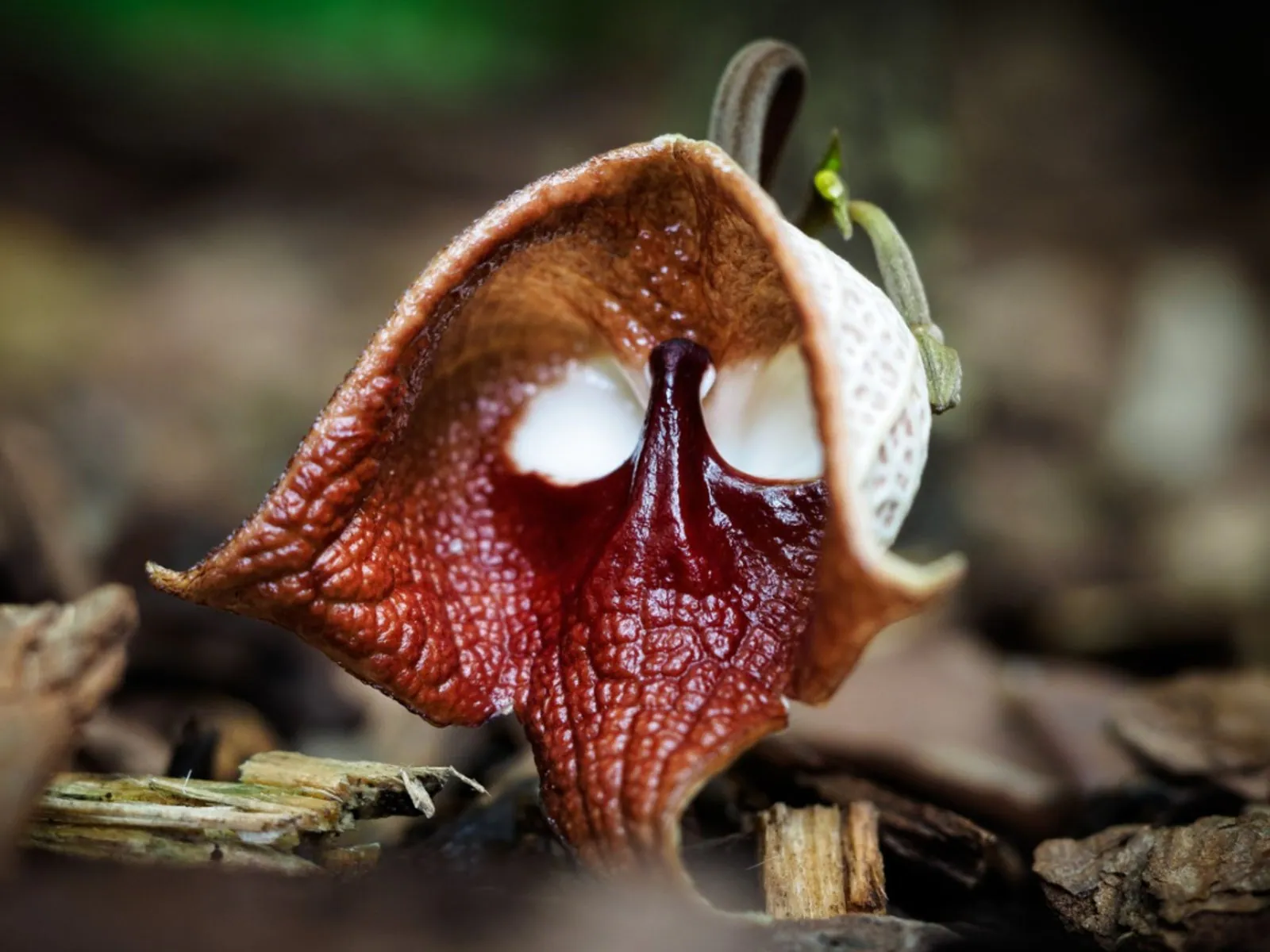
About aristolochia salvadorensis
Aristolochia salvadorensis is a species of Aristolochia (family Aristolochiaceae), a genus best known as the pipevines or birthworts. It is documented from Central America, with its epithet indicating an association with El Salvador in particular. Like many members of the genus, it is a climbing plant adapted to warm climates, typically growing as a twining or scrambling vine supported by surrounding vegetation in forested habitats. The plant bears simple leaves and produces distinctive, highly specialized flowers. In Aristolochia, the apparent “flower” is formed by a petaloid perianth that is usually tubular and asymmetrical, often flaring into a broadened limb. These flowers function as intricate insect traps, temporarily retaining small pollinators (commonly flies or gnats) to improve pollen transfer before releasing them. After successful pollination, Aristolochia species characteristically develop a dry capsule containing numerous seeds. As with other pipevines, caution is warranted in handling or medicinal use: many Aristolochia species are known to contain aristolochic acids, compounds associated with serious toxicity. Aristolochia salvadorensis is therefore best regarded primarily as a botanical and horticultural curiosity within its native range and in specialist collections.
🌱 Detailed Care Guide
📐 Growth & Structure
📅 Phenology
🌍 Ecology
✨ Usage & Benefits
- ornamental
⚠️ Safety & Traits
🌱 Propagation
🧪 Soil & Nutrition
🐛 Pests & Diseases
📝 Expert Advice
Grow in a fertile, humus-rich soil that stays evenly moist but drains well. A loam amended with plenty of organic matter (leaf mould/compost) is suitable; avoid compacted or waterlogged ground. In containers, use an airy mix (quality potting compost plus coarse material such as bark/perlite) to retain moisture without stagnation, and keep mulched to moderate drying.
Sow from fresh, fully ripe seed where possible, as viability can decline in storage. 1) Seed preparation: Clean seed from the pod and sow promptly. If seed has dried, soak in room‑temperature water for 12–24 hours before sowing. 2) Sowing medium: Use a sterile, free‑draining seed mix (e.g., fine compost/coir with added perlite or sand). 3) Sowing depth: Sow on the surface and lightly cover (about 2–5 mm) with fine mix or grit. 4) Conditions: Keep evenly moist (not waterlogged) in bright shade with warmth (about 22–28 °C). Maintain high humidity with a propagator or covered tray, venting regularly to reduce fungal problems. 5) Germination: Germination may be irregular and can take several weeks (sometimes longer). Remove cover gradually once seedlings emerge. Potting on and planting: - Prick out seedlings when they can be handled and pot individually into a rich but well‑drained mix. - Grow on warm and frost‑free; harden off only to protected outdoor conditions in consistently warm weather. - Plant in a sheltered position with a support to climb; provide regular water during establishment and avoid cold or drying winds.
Feed lightly; Aristolochia salvadorensis generally performs best in humus-rich soil with regular organic matter rather than heavy fertilization. - In ground: top-dress with compost or well-rotted leaf mold in spring (and again mid-summer if growth is weak). - During active growth (spring–summer): if additional feeding is needed, apply a balanced, slow-release fertilizer (e.g., general-purpose) at label rates once in spring; alternatively use a dilute liquid feed every 3–4 weeks. - Containers: use a controlled-release fertilizer at the start of the warm season and supplement with a half-strength balanced liquid fertilizer monthly; flush pots occasionally to prevent salt buildup. - Avoid high-nitrogen programs that produce excessive soft growth and reduce flowering; do not fertilize during cool/dormant periods.
Apply a 5–8 cm (2–3 in) layer of organic mulch (leaf mould, composted bark, or well-rotted compost) over the root zone to conserve moisture, moderate soil temperature, and suppress weeds. Keep mulch a few centimetres away from the stem/crown to reduce rot and pest issues. Refresh as it breaks down; avoid piling mulch too thickly in poorly drained sites.
Provide a sturdy vertical support such as a trellis, wire panel, pergola, or fence, as Aristolochia vines climb by twining their stems around supports rather than using tendrils. Use supports with thin members (string, wires, bamboo canes, lattice strips, or small-diameter branches) that stems can wrap around easily. When young, guide shoots onto the support and secure loosely with soft plant ties at intervals until the vine begins to twine on its own; avoid tight ties that can girdle the stems. Ensure the structure is well-anchored to carry the weight of mature growth and allow airflow; prune and re-tie as needed to keep stems distributed over the support.
Prune primarily to control size and to remove weak, dead or damaged growth. For this woody, twining Aristolochia vine, do routine pruning in late winter to early spring (or immediately after the main flush of flowering in year‑round warm climates): shorten long shoots to keep the plant within its support, thin congested stems to improve light and airflow, and cut back to a strong framework of healthy stems. If renovation is needed, it can be cut back harder to a few main stems and allowed to reshoot, but avoid repeated severe pruning if you want maximum flowering. Tie in new shoots to their support as they grow. Wear gloves and avoid sap contact, as Aristolochia tissues are toxic/irritant.
📋 Additional Information
📖 View Complete Guide
For the full interactive experience with additional photos, personalized advice, and gardening tools:
Visit Aphylia →