🌲 Myrothamnus flabellifolius
About Myrothamnus flabellifolius
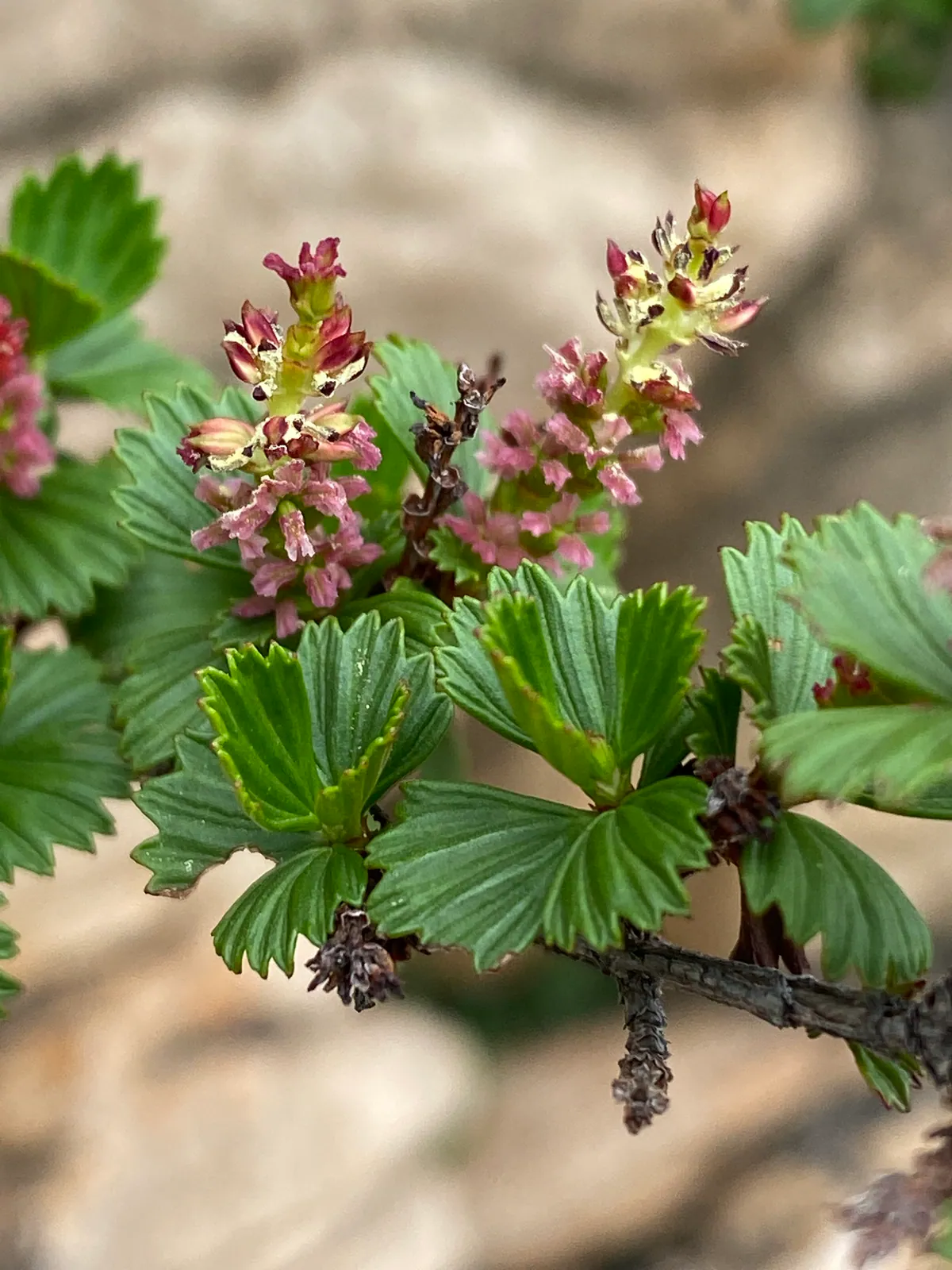
Myrothamnus flabellifolius, commonly known as the resurrection plant, is a distinctive, drought-adapted shrub in the small family Myrothamnaceae. Native to dry, rocky landscapes of southern Africa, it is typically found on exposed cliffs, granite outcrops, and stony slopes where soil is shallow and drainage is rapid. Plants form low to moderately sized, much-branched shrubs with small, opposite leaves that are often fan-shaped and resinous-aromatic. Its fame comes from an exceptional ability to tolerate extreme desiccation: during prolonged drought the leaves and shoots curl and darken, metabolic activity largely shuts down, and the plant can persist in a dry, brittle state. With the return of moisture, tissues rehydrate and the shrub rapidly unfolds and greens, resuming normal function. The flowers are small and inconspicuous, produced on short spikes, and the plant is generally considered wind-pollinated; fruits are small capsules that release fine seed. M. flabellifolius has long been valued in traditional practices and is used locally for infusions and herbal preparations; its tissues contain polyphenols and other compounds studied for antioxidant properties. In cultivation it requires full sun, very sharp drainage, and infrequent watering, and is best suited to warm, frost-free, arid or Mediterranean-type conditions.
🌱 Detailed Care Guide
📐 Growth & Structure
📅 Phenology
🌍 Ecology
✨ Usage & Benefits
- ornamental
- aromatic
- medicinal
- infusion
- Edible parts: leaf
⚠️ Safety & Traits
🌱 Propagation
🧪 Soil & Nutrition
📝 Expert Advice
Use a very free‑draining, gritty mineral substrate that mimics its natural rocky outcrop habitat (e.g., sandy/loamy soil amended with coarse sand, grit or fine gravel). It tolerates nutrient‑poor soils and does best where drainage is excellent; avoid heavy clay and waterlogged conditions. In containers, use a cactus/succulent-style mix with added grit to keep the root zone aerated and fast drying.
Seed is rarely available and can be slow/erratic; propagation by cuttings is often more reliable. If sowing seed: use fresh, ripe seed where possible. Sow in spring to early summer in a warm, bright place (about 20–25 °C). Use a very free‑draining, sterile medium (e.g., fine seed mix cut with sharp sand/grit). Scatter seed thinly on the surface and press in; cover only very lightly (a dusting of sand/vermiculite) as light aids germination. Keep evenly moist but never wet—use misting and ensure excellent drainage and airflow to prevent damping‑off. Germination may be irregular; prick out carefully once seedlings have several true leaves and pot up into a gritty, low‑nutrient mix. Planting out: grow on in pots until well rooted. Plant in full sun to light shade in a very well‑drained, rocky/sandy soil; avoid heavy clay and waterlogged sites. Water to establish, then keep on the dry side (allow the medium to dry between waterings). Protect young plants from hard frost and winter wet; in cool climates it is best grown in a container under cover with high light and minimal winter watering.
Fertilize very sparingly. Myrothamnus flabellifolius is adapted to nutrient-poor, rocky soils and is easily weakened by overfeeding. - In the ground: usually no fertilizer is needed. If growth is poor, top-dress lightly with a small amount of well-rotted compost or leaf-mould in spring; avoid rich manures. - In containers: feed only during active growth (typically spring to early summer) with a balanced, low-strength liquid fertilizer (about 1/4–1/2 label rate) every 4–6 weeks, or use a very light application of a slow-release, low-dose balanced fertilizer once in spring. - Avoid: high-nitrogen fertilizers (can cause soft, weak growth), frequent feeding, and heavy phosphorus applications. - Do not fertilize during dry/resting periods or when the plant is desiccated; resume only after rehydration and active growth restart. - Flush pots occasionally with plain water to prevent fertilizer-salt build-up.
Use a thin, open mulch that keeps the crown dry. A mineral mulch (grit, gravel, or small stones) is preferred to mimic its natural rocky habitat and improve drainage. Avoid thick organic mulches that hold moisture against the stems; keep any mulch a few centimeters away from the plant base to reduce rot risk. Refresh lightly as needed to suppress weeds and moderate soil temperature without trapping water.
Myrothamnus flabellifolius is used in southern African traditional medicine mainly for respiratory complaints (infusions/decoctions taken for colds, influenza, coughs, chest infections and asthma/bronchitis) and as a general tonic. It is also applied externally (as washes or poultices) to support wound and burn healing and to treat skin and mouth infections. Laboratory studies of leaf extracts report high polyphenol content with strong antioxidant activity and demonstrate anti-inflammatory and antimicrobial effects (notably against some bacteria and fungi), which align with its traditional uses.
Traditional infusions made from the leaves are used in southern African ethnomedicine for respiratory complaints (colds, coughs, chest congestion, asthma/bronchitis) and as a general tonic; reported folk uses also include fever and stomach upset. These benefits are based on traditional use rather than established clinical evidence.
📋 Additional Information
📖 View Complete Guide
For the full interactive experience with additional photos, personalized advice, and gardening tools:
Visit Aphylia →