🌿 Cilantro
About Cilantro
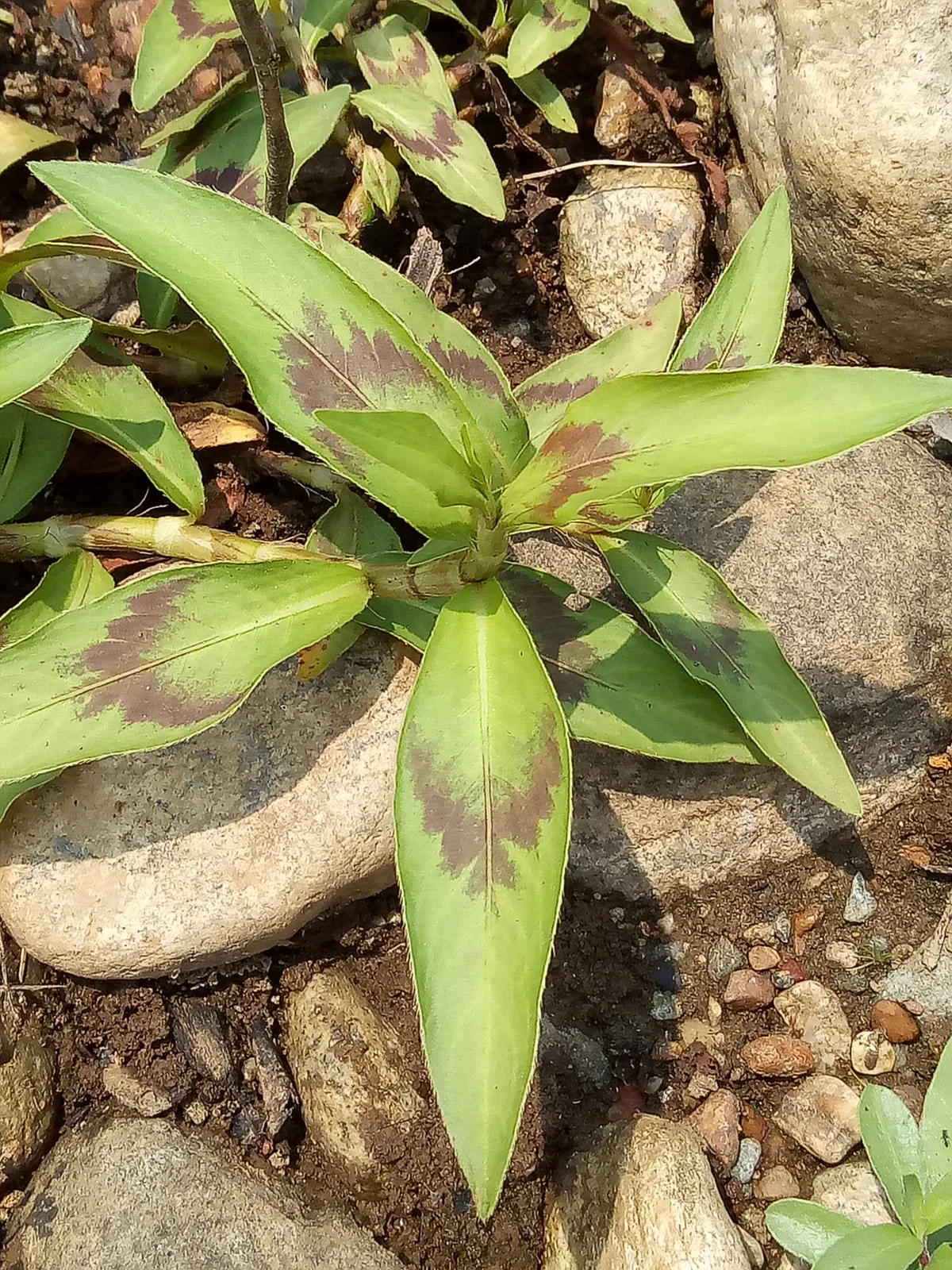
Persicaria odorata is a perennial, aromatic herb in the Polygonaceae (knotweed) family, widely known as Vietnamese coriander or laksa leaf. It is typically a low, spreading plant with creeping stems that root at the nodes, forming dense mats in moist ground. The leaves are narrow to lance-shaped, usually glossy green and often marked with a dark V-shaped blotch; when crushed they release a strong, spicy-citrus fragrance. Small, pale pink to whitish flowers are produced in slender terminal spikes, followed by small achenes typical of the genus. The species is native to tropical and subtropical parts of Southeast Asia and is widely cultivated and naturalized in warm regions. In traditional cuisines of Vietnam, Cambodia, Laos, Malaysia, and Singapore it is valued for its distinctive flavor in salads, soups, and noodle dishes, especially as an herb component of laksa. In cultivation, Persicaria odorata prefers consistently moist to wet, fertile soils and grows well in full sun to partial shade. It is tolerant of waterlogging and is often grown at pond margins or in containers kept evenly moist. The plant is frost-tender and is commonly treated as a warm-season perennial or overwintered indoors in cooler climates. Propagation is easy from cuttings or division of rooted stems.
🌱 Detailed Care Guide
📐 Growth & Structure
📅 Phenology
🌍 Ecology
✨ Usage & Benefits
- edible
- aromatic
- medicinal
- spice
- Edible parts: leaf, stem
⚠️ Safety & Traits
🌱 Propagation
🧪 Soil & Nutrition
🐛 Pests & Diseases
📝 Expert Advice
Grow in fertile, humus-rich soil that stays consistently moist. It performs best in moisture-retentive loam amended with compost, but will also tolerate heavy/clayey or periodically waterlogged soils (often grown at pond or rice-paddy edges). Avoid letting the substrate dry out; in containers use a rich, organic potting mix and keep evenly moist.
Persicaria odorata (Vietnamese coriander) is most reliably started from cuttings or division; it is often reluctant to set viable seed outside its native range. From seed (where available): - Sow in spring in a warm environment (about 20–25°C) in seed compost. - Barely cover the seed (light helps germination) and keep evenly moist. - Provide bright light; avoid waterlogging. - Prick out and pot on once seedlings are large enough to handle, then harden off. - Plant out only after all risk of frost, when nights are consistently warm. From cuttings (recommended): - Take non-flowering stem cuttings 10–15 cm long. - Remove lower leaves and insert into moist compost or place in water until roots form, then pot up. - Keep warm, humid, and in bright shade until established. Planting out / establishment: - Choose a warm, sheltered site; full sun to partial shade (often best with some afternoon shade in hot climates). - Soil should be consistently moist, fertile, and well-drained; mulch to conserve moisture. - Space plants about 20–30 cm apart; water regularly, especially in dry weather. - In cool climates grow in containers and overwinter frost-free (it is not frost tolerant).
Persicaria odorata grows best in consistently moist, fertile soil and usually needs only light feeding. At planting (or each spring), mix in well-rotted compost or aged manure as the main nutrient source. In garden beds, top-dress with compost once or twice during the warm growing season; use a light application of a balanced, general-purpose fertilizer only if growth is weak or leaves are pale. In containers, nutrients leach quickly—feed with a half-strength balanced liquid fertilizer about every 2–4 weeks during active growth, and flush the pot occasionally with plain water to prevent salt buildup. Avoid heavy/high-nitrogen fertilizing, which can make plants overly lush and reduce aroma/flavor.
Apply a 2–5 cm (1–2 in) layer of organic mulch (e.g., compost, leaf mould, fine bark) to conserve soil moisture and suppress weeds, as Persicaria odorata prefers consistently moist conditions. Keep mulch a few centimetres away from the stems/crown to reduce the risk of rot. Refresh mulch during the growing season as it breaks down, and top up after heavy rain or frequent irrigation, especially in hot weather or in containers.
Persicaria odorata (Vietnamese coriander/laksa leaf) is used in Southeast Asian traditional medicine primarily as a digestive aid (carminative) for symptoms such as indigestion, abdominal discomfort, and diarrhea. The aromatic leaves are also used traditionally for their anti-inflammatory and antiseptic properties. Laboratory studies on leaf extracts/essential oils report antimicrobial and antioxidant activity, which may support some traditional uses, but clinical evidence in humans is limited.
Pinch or cut back shoot tips regularly to encourage branching and a compact, leafy plant. Harvest by snipping stems above a leaf node; frequent cutting acts as pruning and promotes fresh growth. Remove flower spikes as they appear to maintain leaf quality and direct energy into vegetative growth. If plants become leggy, shear back hard (leaving several nodes on each stem) to rejuvenate and stimulate new basal shoots. Remove any dead, damaged, or yellowing stems at the base. In frost-prone climates, cut back to near ground level before overwintering indoors or after frost damage; regrowth comes from protected stems/nodes when conditions warm. Trim or lift wandering stems to prevent unwanted rooting and spread.
📋 Additional Information
📖 View Complete Guide
For the full interactive experience with additional photos, personalized advice, and gardening tools:
Visit Aphylia →